Artist associations
Explore the history of these groups and the artists who took part in their exhibitions and collaborations.
1927–1988
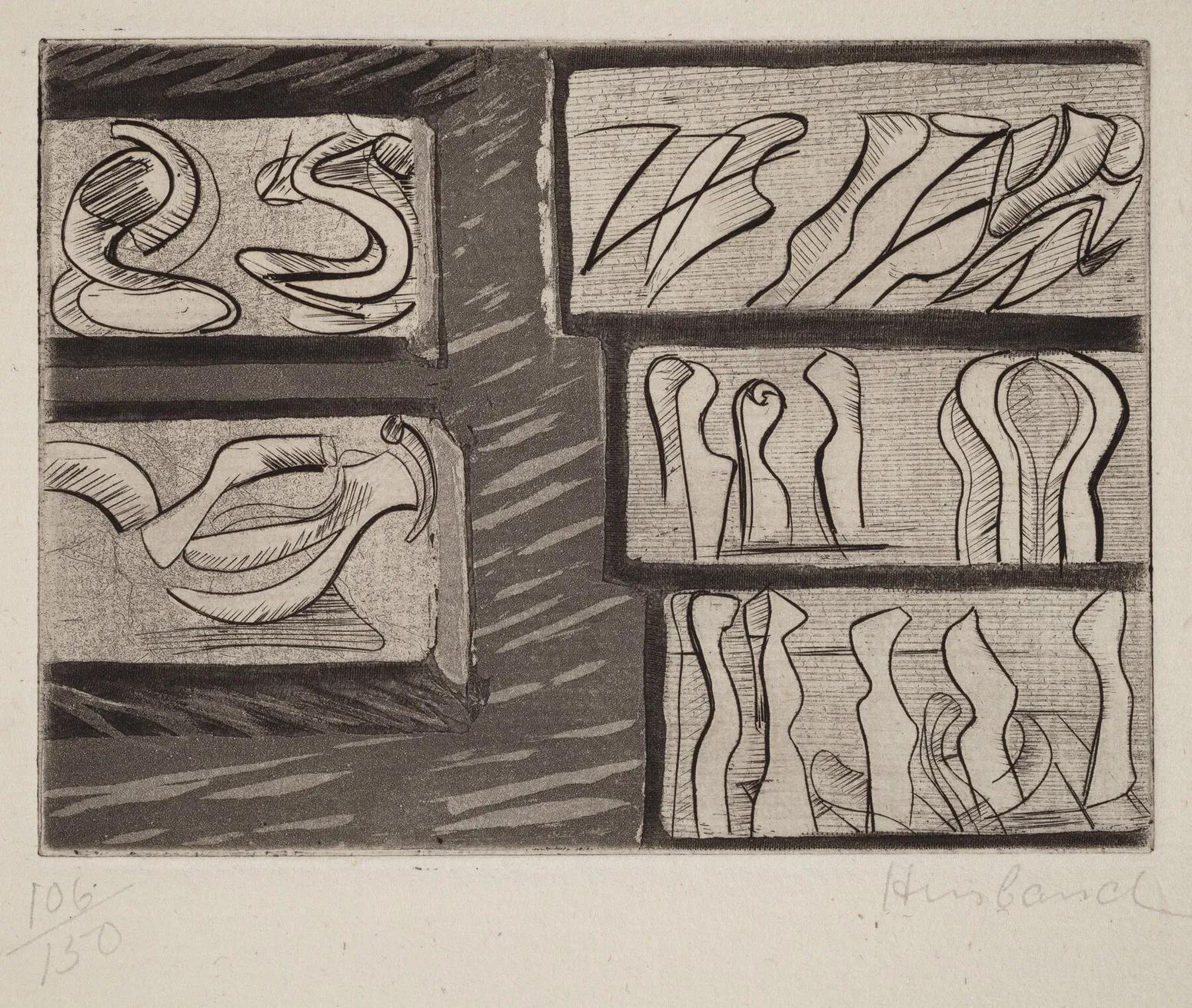
Atelier 17
Artists at Atelier 17 worked alongside one another at the printing press. The workshop became a meeting place for several generations of printmakers in Paris and New York.
1967–
Aurora
The silent-film actress Asta Nielsen founded Aurora in 1967 as an association for women artists. It took its name from Villa Aurora on the island of Møn, where the art dealer Christian Theede had opened a summer gallery. Nielsen herself showed collages made from her old costumes.
1960
Bauhaus Situationiste / Drakabygget
At the Drakabygget farm in southern Sweden, barns and workshops became the setting for an experiment in working together. Painters, filmmakers, poets and musicians came there from several countries.
1966–
CIRRUS / Surrealisterne
A Danish artists’ group opened its first exhibition at Charlottenborg in August 1966 under the name Surrealisterne, the Surrealists. Its artists shared an interest in dreams and the unconscious. From 1978 they exhibited as CIRRUS.
1948–1951
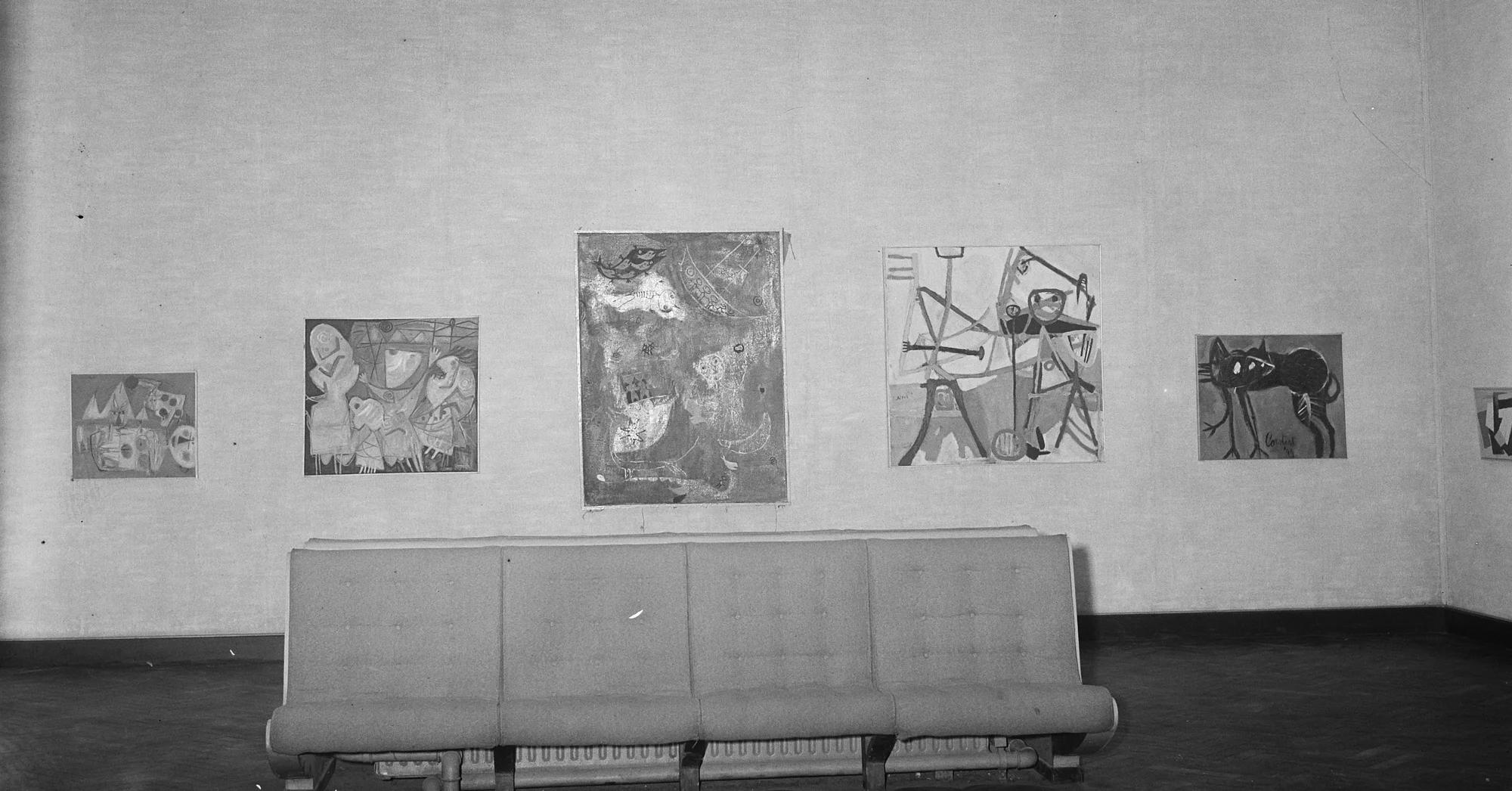
CoBrA
CoBrA was an international movement of artists and poets in the years after the Second World War. Its name joined the opening letters of Copenhague, Bruxelles and Amsterdam. Within a few years its collaborations reached far beyond those three cities.
1932–
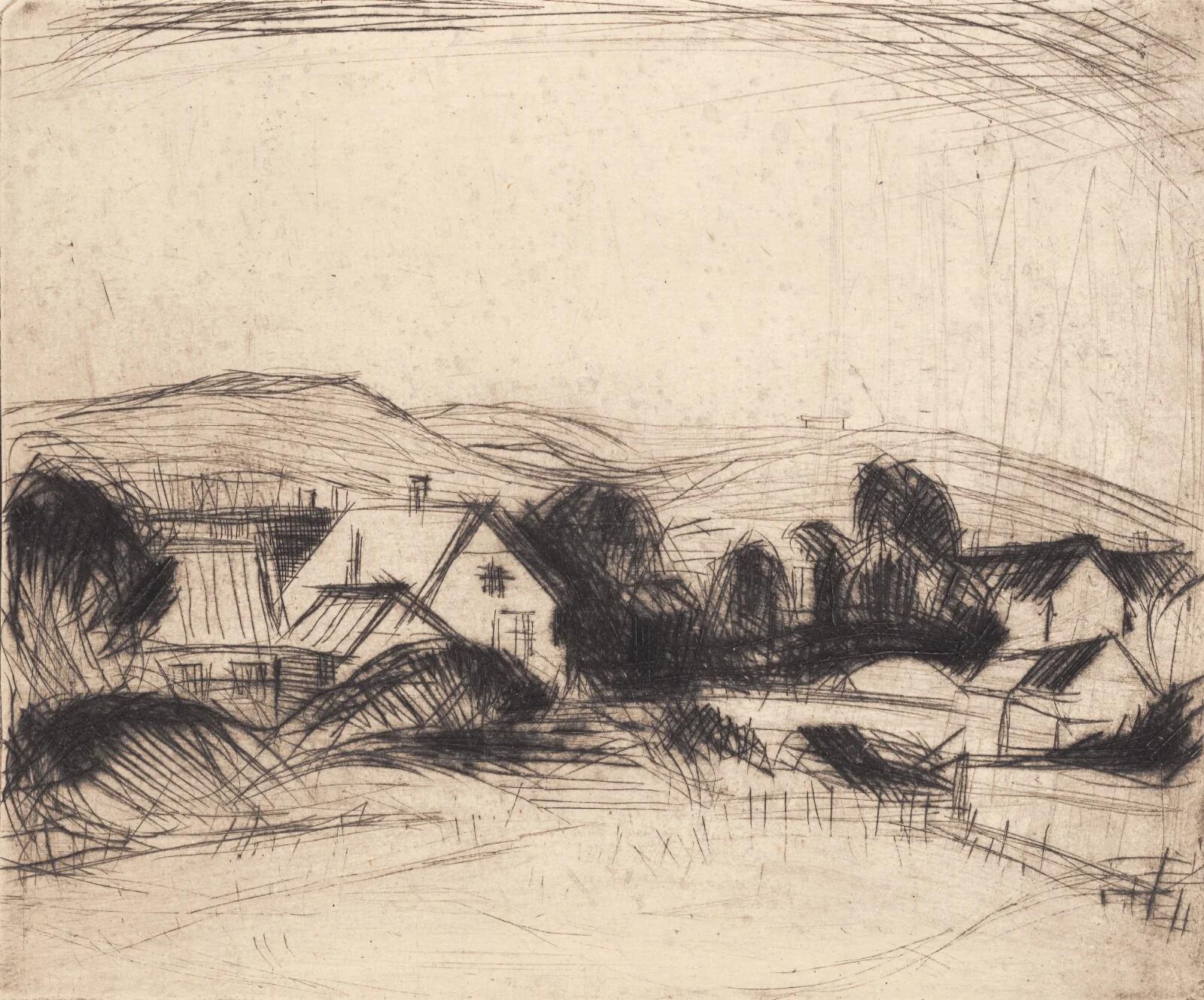
Corner
Corner took its name from the Copenhagen corner building where its first exhibition opened in 1932. Its artists found early subjects in the landscape of Odsherred and in everyday working life.
1999–
DANE
Danish Artists for Nature and Environment work out in the landscape. The artists draw and paint on site during a field visit, then bring their observations together in an exhibition.
1979–
Danske Grafikere
Danske Grafikere is an association of professional printmakers with its own exhibition space in Copenhagen. Its roots lie in the printmaking school of the Royal Danish Academy of Fine Arts and in the earlier Grafisk Kunstnersamfund.
1921–1930
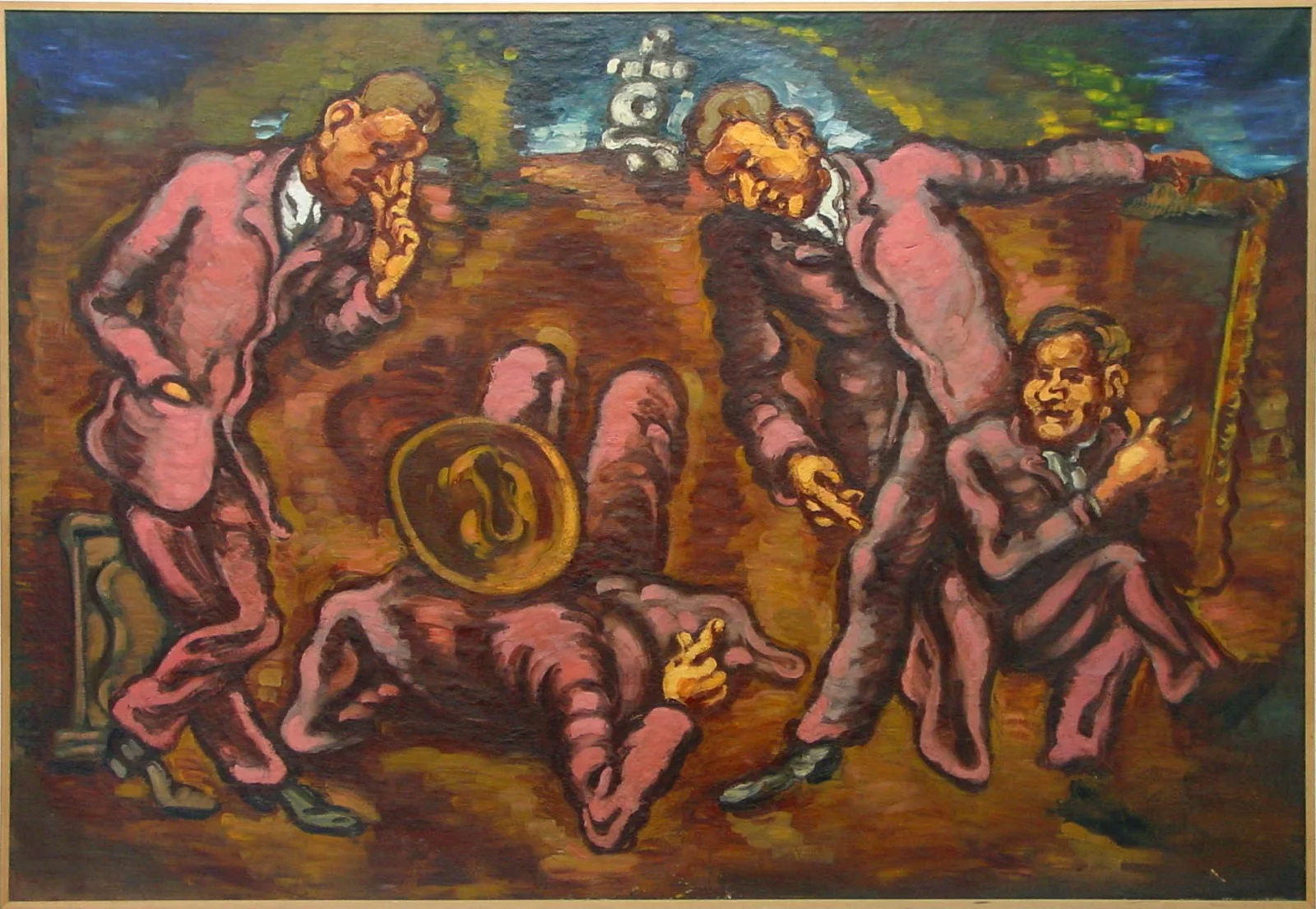
De Fire
Four young artists associated with the journal Klingen exhibited together in the 1920s. When considering how to compose a modern painting, they looked to Raphael as readily as to Cézanne.
1980–1993
De forsigtige
Flemming Born, Jeff Ibbo and Steffen Sølberg exhibited together as De forsigtige, the Careful Ones. The trio showed work at Charlottenborg in 1980 and returned in 1993 with De forsigtige arbejder at Overgaden in Copenhagen.

1909–1912
De Tretten
De Tretten (The Thirteen) gave young painters, draughtsmen and sculptors a way to exhibit their work in Copenhagen on their own terms. The exhibitors changed from one show to the next and soon outnumbered the thirteen of the title.
1928–
Decembristerne
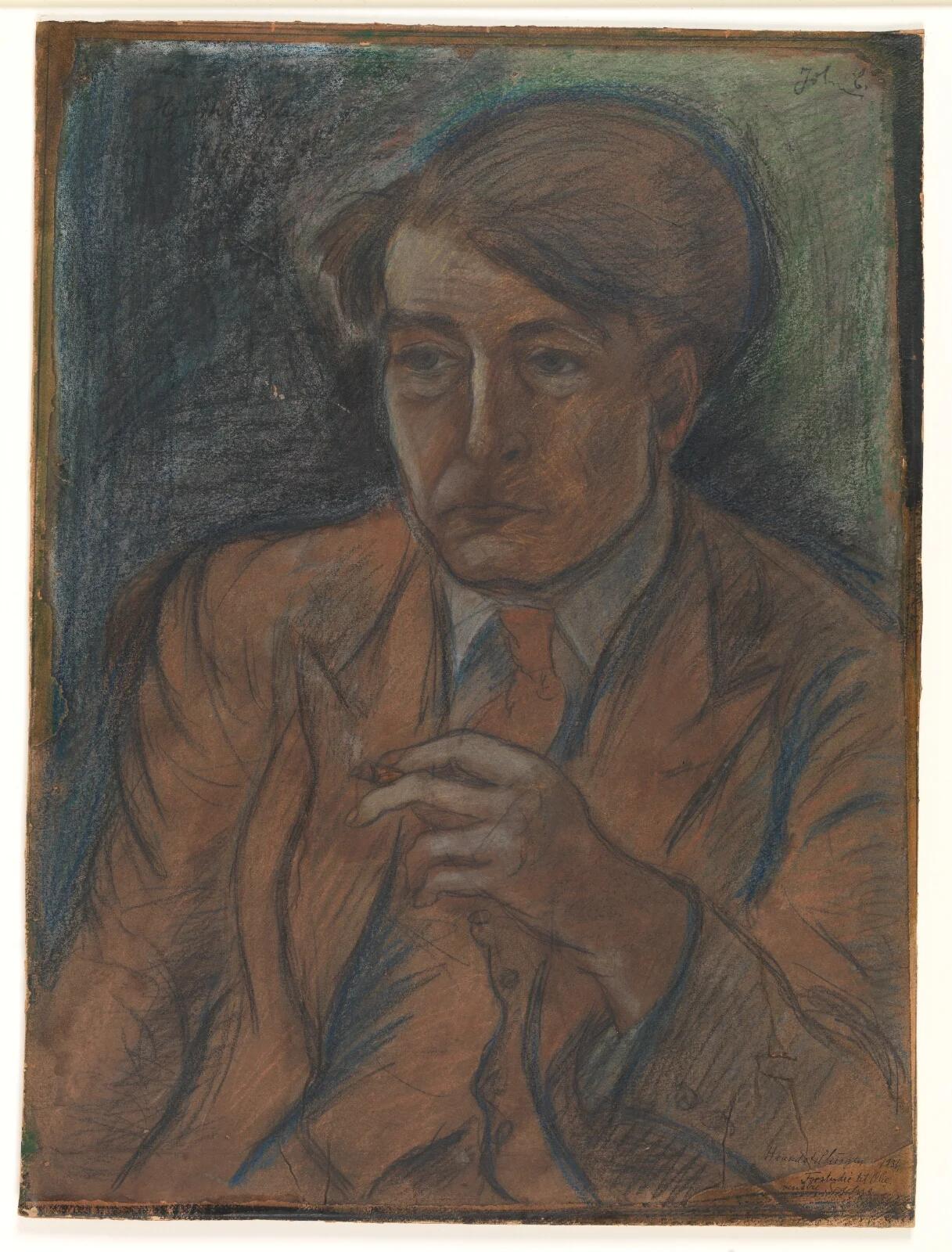
Decembristerne began in 1928 when five young artists joined forces to exhibit in December. Painting and printmaking were early points of contact; sculpture, installation and video later became part of its exhibitions.
Den Blå Citron
Den Blå Citron was formed in Odense in 1959. The association brought painters on Funen together with artists from elsewhere in Denmark. An interest in construction, colour and space took form in both painting and sculpture.
Den Flexible
Den Flexible brought painters, printmakers, sculptors and textile artists together in group exhibitions. Charlottenborg was a regular venue for nearly three decades. The group also showed work elsewhere in Denmark and in the United States.
1891–
Den Frie Udstilling
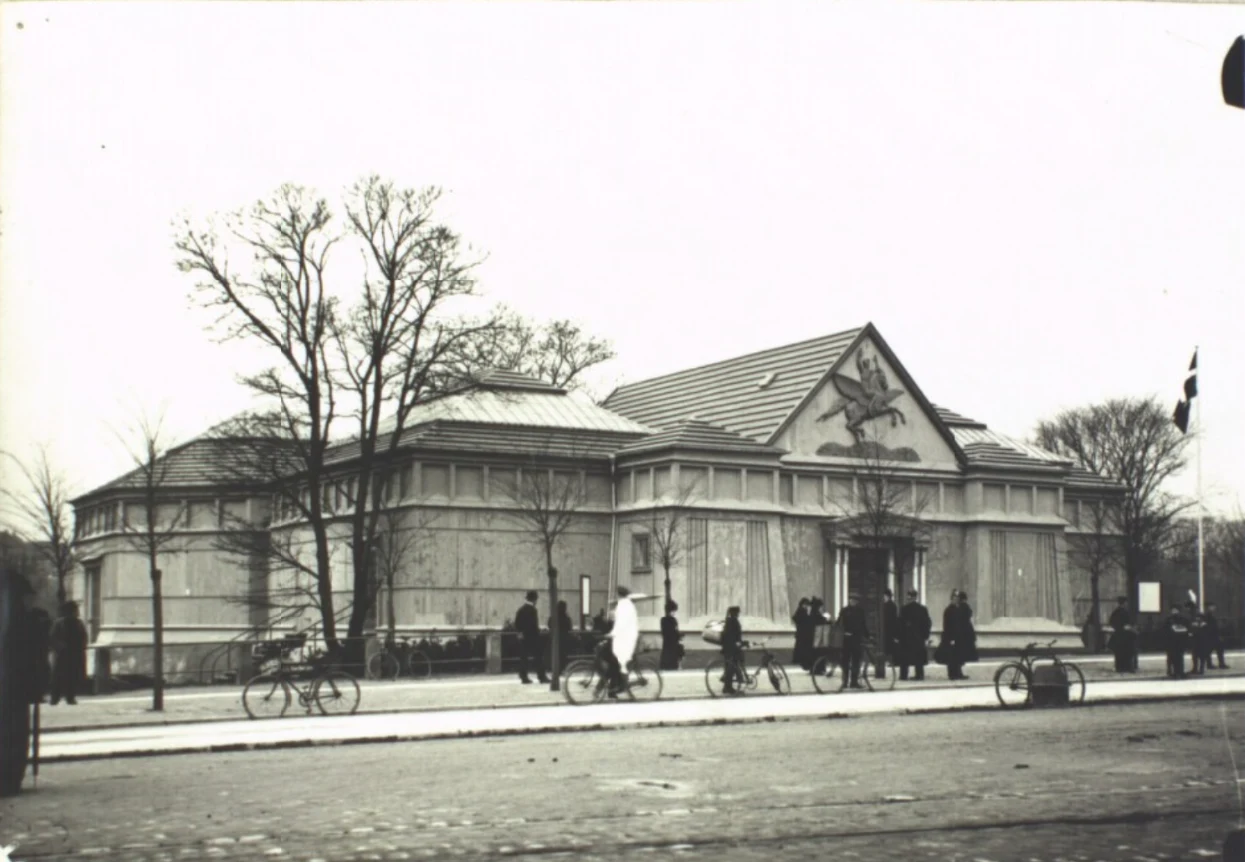
At Den Frie Udstilling the artists decide what to exhibit. The association began as an alternative to the jury at Charlottenborg’s spring exhibition and later acquired its own building in Copenhagen.
1929–
Den Fynske Forårsudstilling
Each spring a group of artists on Funen has organised its own exhibition. The tradition began in Odense in 1929 with nine artists and has brought successive generations together.
1992–
Den Gyldne
Founded on the initiative of Niels Winkel in 1992, Den Gyldne Orgeltone i Nordisk Kunst brought together artists from across the Nordic countries.
Den Jyske
In the 1950s Den Jyske brought together painters, printmakers and sculptors to exhibit in the city hall in Aarhus. The group went on to show its work in Copenhagen and Bergen.
1970–1972
DK-70
DK-70 was a Danish exhibition group that showed work at Helligåndshuset near Strøget in central Copenhagen in the early 1970s. Its artists included painters and printmakers who had begun exhibiting in the previous decade.
1961–1969
Eks-skolen
Copenhagen’s Experimental Art School became a working collective where young artists learned from one another by printing, welding, making films and building exhibitions.
FLASH
FLASH emerged on Funen in 1968. Its artists organised exhibitions and ran a gallery in Odense. They wanted their work to take part in the political arguments of the day.
FLASH-BACK
In 2011 FLASH-BACK introduced itself as a new European artists’ group with a shared manifesto. Its participants wanted to engage in public debate about democracy and nationalism.
1976–
Fyns Grafiske Værksted
Since 1976 printmakers have shared presses and exhibited their work on Hans Jensens Stræde in Odense. The studio is run as an association and gives its members access to techniques that require more equipment than a private studio usually holds.
1934–ca. 1967
Germinalen
Germinalen was formed by young artists on Funen in autumn 1934. Its name came from the French Revolutionary calendar, in which Germinal was the spring month of germination.
1971–1976
Gevind
Gevind was a Danish exhibiting group of the 1970s. The painter and jazz musician Finn Mickelborg helped initiate it.
1988–
Grafisk Værksted Næstved
Grafisk Værksted Næstved was established as a shared studio for professional printmakers. The association maintains presses, a gallery and an archive of original prints built up through artists’ work on the premises.

1951
Groupe Espace
Groupe Espace sought a place for artists at the drawing board as buildings and public spaces were planned after the Second World War. Colour, form and space were to be considered together from the start.
ca. 1965–1970
Gruppe Passepartout
In the second half of the 1960s, a circle of artists formed around Galerie Passepartout in Copenhagen’s Snaregade. They shared an interest in fantastic realism.
1970–
Grænselandsudstillingen
A Danish-German artists’ association based in Aabenraa. Founded in 1970, it exhibits its members alongside invited guest artists.
1915–
Grønningen
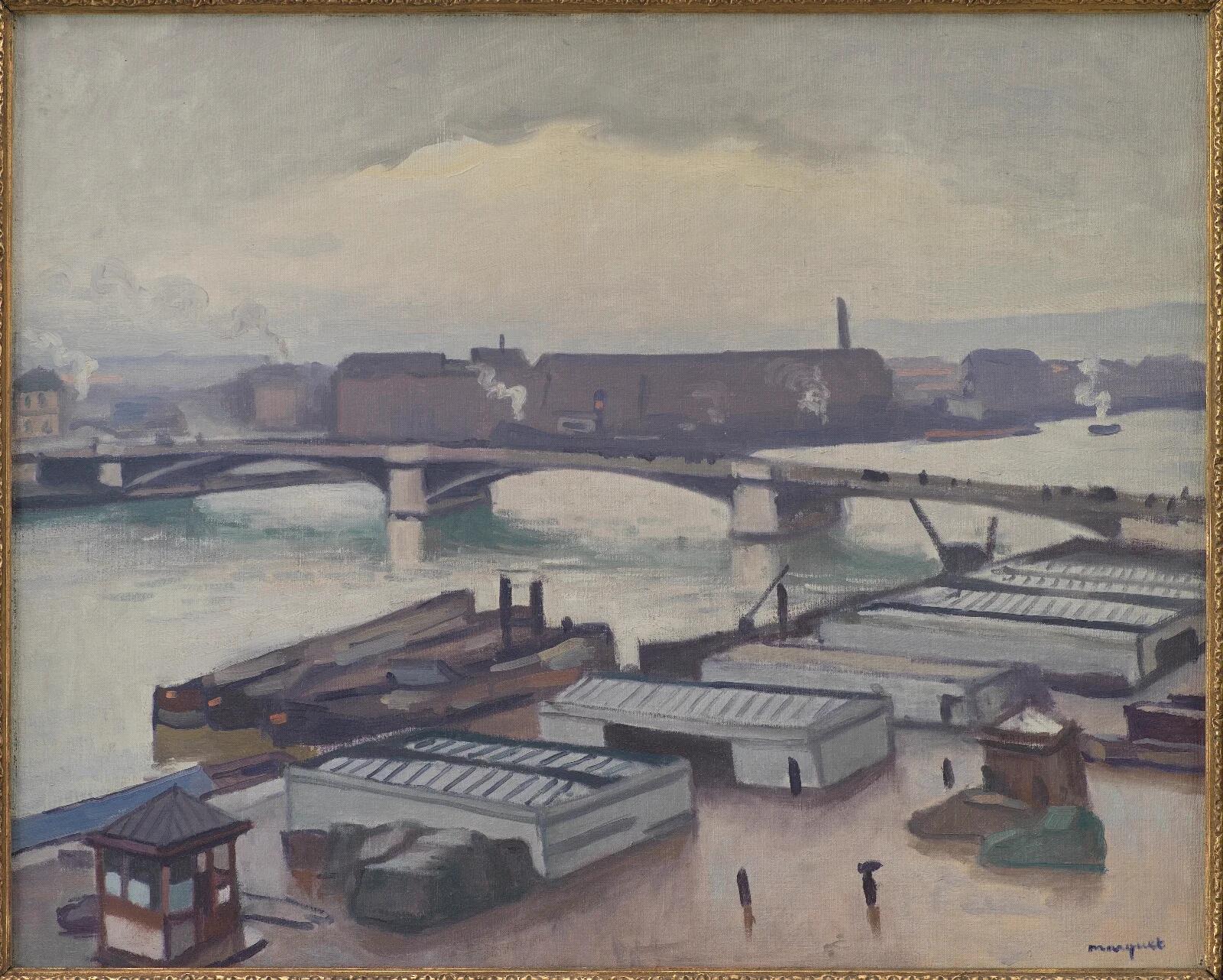
Grønningen was founded in Copenhagen by artists who broke away from Den Frie Udstilling. They named the association after the street where they built their first exhibition pavilion.
1968–
Guirlanden
Guirlanden grew out of the art scene in Aarhus. The artists held their first exhibition in the city hall in 1968. Over the decades that followed, Aarhus Kunstbygning became a regular venue for the group.
GYRR
Preben Franck Stelvig and Kelvin Sommer founded GYRR in 1968. Its artists often worked figuratively, using photography both as an independent medium and as a starting point for painting.
1941–1944
Helhesten
During the German occupation of Denmark, artists and writers gathered around the journal Helhesten. Its name came from a three-legged horse in folklore whose appearance foretold death.
1934–1949
Høst
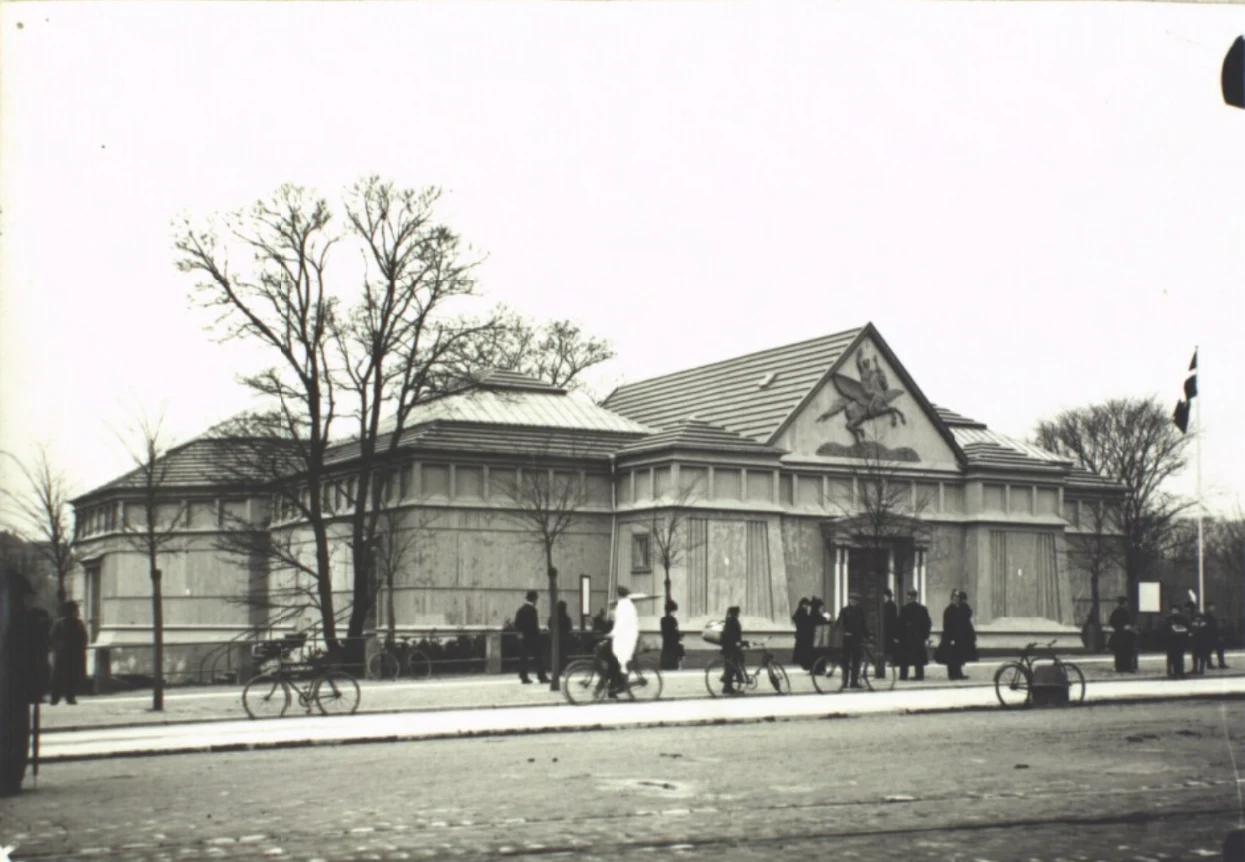
Høst was a Danish artists’ association that held annual exhibitions in Copenhagen. Over fifteen years, the landscape painters who had helped establish it came to share the galleries with a younger generation of abstract painters and sculptors.
2005 · 2009
Interim
Interim brought together artists from several generations in a temporary group that exhibited at Den Frie and Rundetaarn.
1957–1972
Internationale situationniste
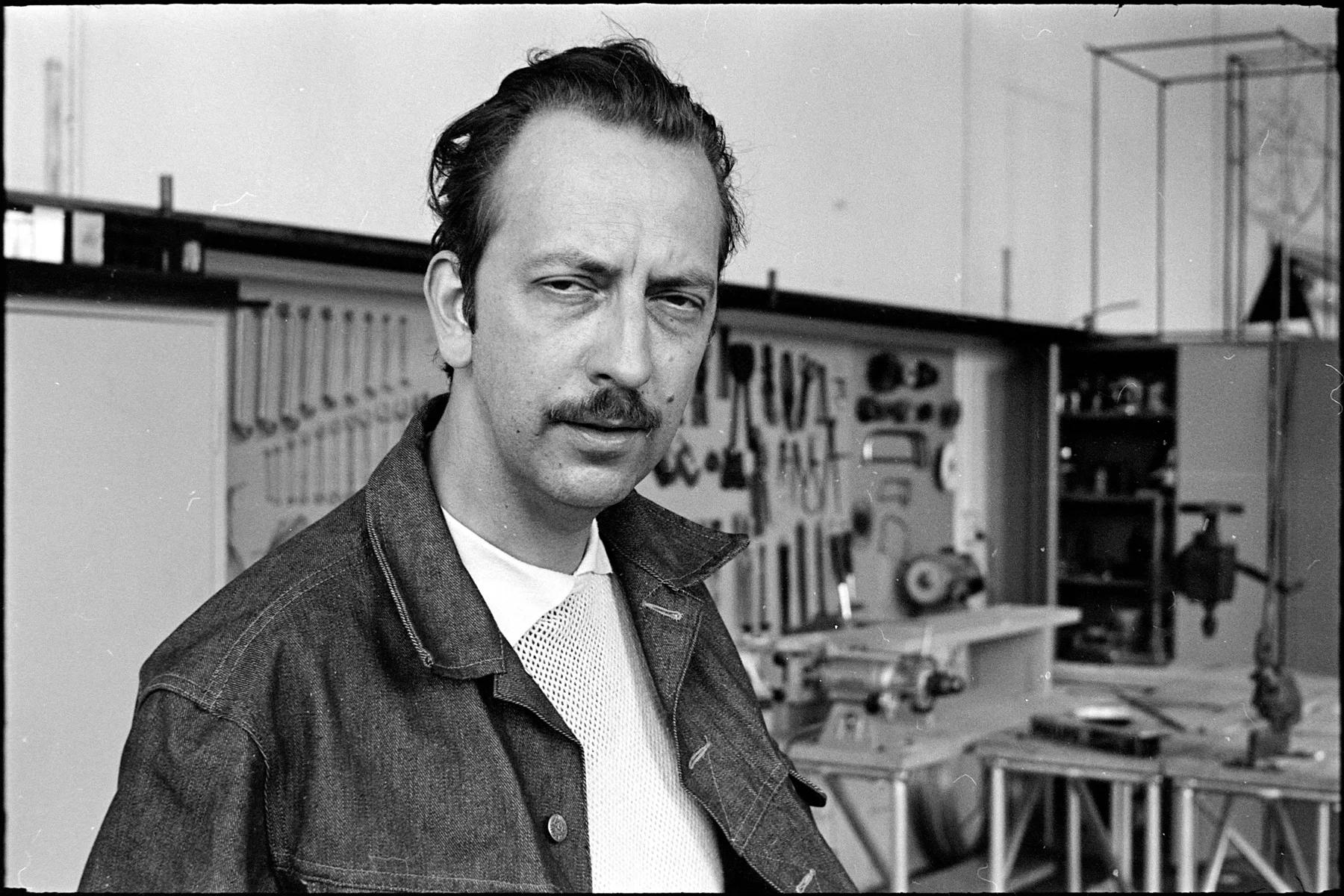
The Situationists investigated how cities, media and working life shaped everyday experience. A walk through a city, a journal or a reworked comic strip could all become ways of testing their ideas.
1978–
Jylland
In 1978 seventeen artists working in Jutland came together to exhibit across the region. In the following years the association alternated between Aarhus Kunstbygning and venues in other towns in Jutland.
Kammeraterne
Kammeraterne was founded in 1934. Working life, the city and its inhabitants were important subjects for several of its early members.

1920
Klingens grafiske Forening
When the Danish art journal Klingen closed in 1920, three of its editors continued working together in Klingens grafiske Forening. Subscribers could build a collection of original prints by contemporary artists through the association’s portfolios.
1932–
Koloristerne
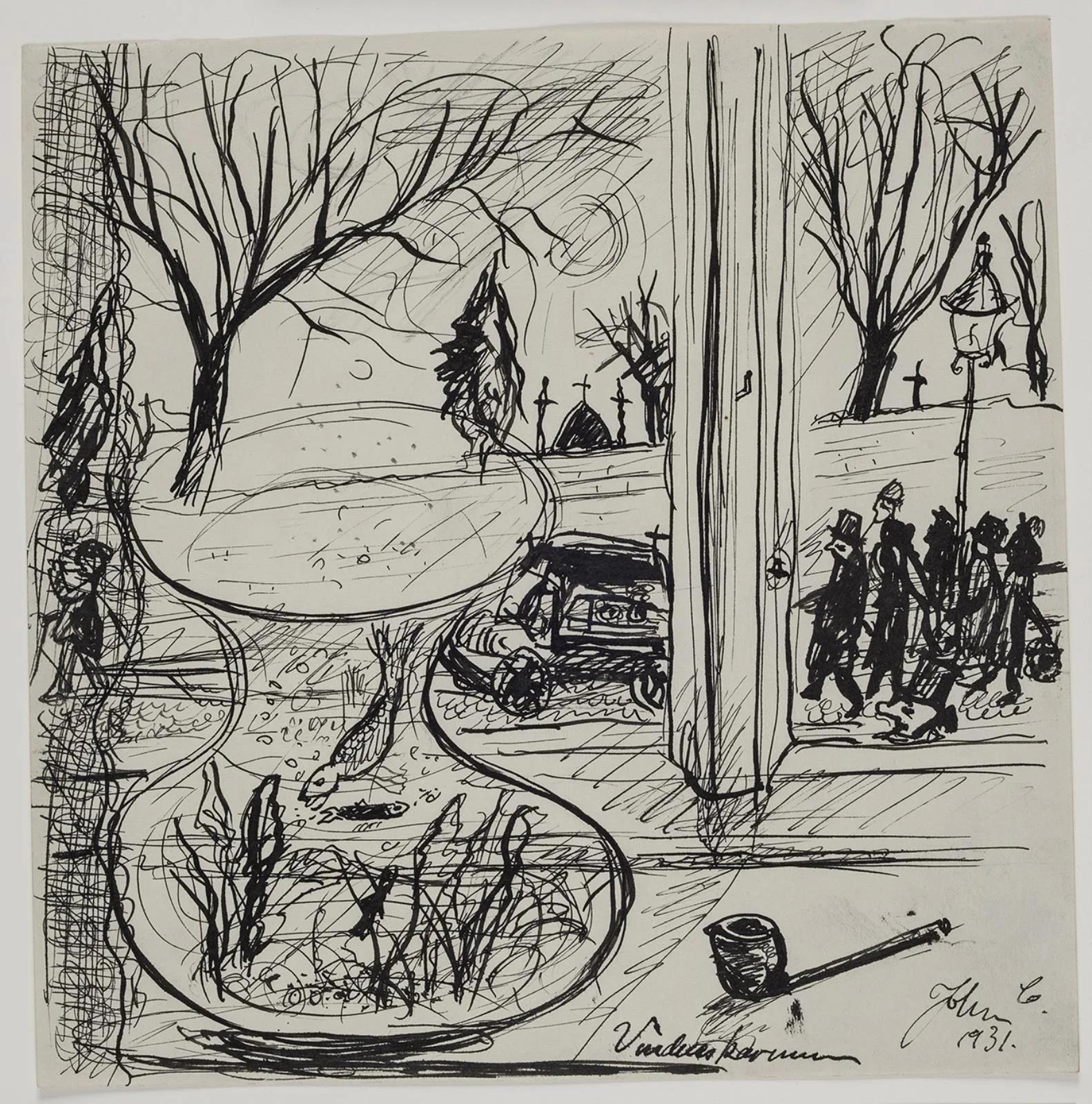
Since 1932 Koloristerne has brought artists of different generations together to exhibit. Daily life, light and the colours that artists observed were starting points for many of the early painters and draughtsmen.
1964–1971
Konkylien
Konkylien brought together ten artists and craftspeople in and around Esbjerg and Fanø. The group provided an outlet for contemporary art in western Jutland, from painting and printmaking to ceramics and textiles.
Kontrast
Kontrast was an exhibiting group on Funen. Its shows can be traced from the late 1960s into the 1990s through artists’ exhibition records and a catalogue from 1991.
2014–
Kunstforum Viborg
Kunstforum Viborg brings together professional artists with ties to Viborg. The association exhibits in galleries and in places where people encounter artworks in the course of their daily lives.
1842–
Kunstnerforeningen af 18. november
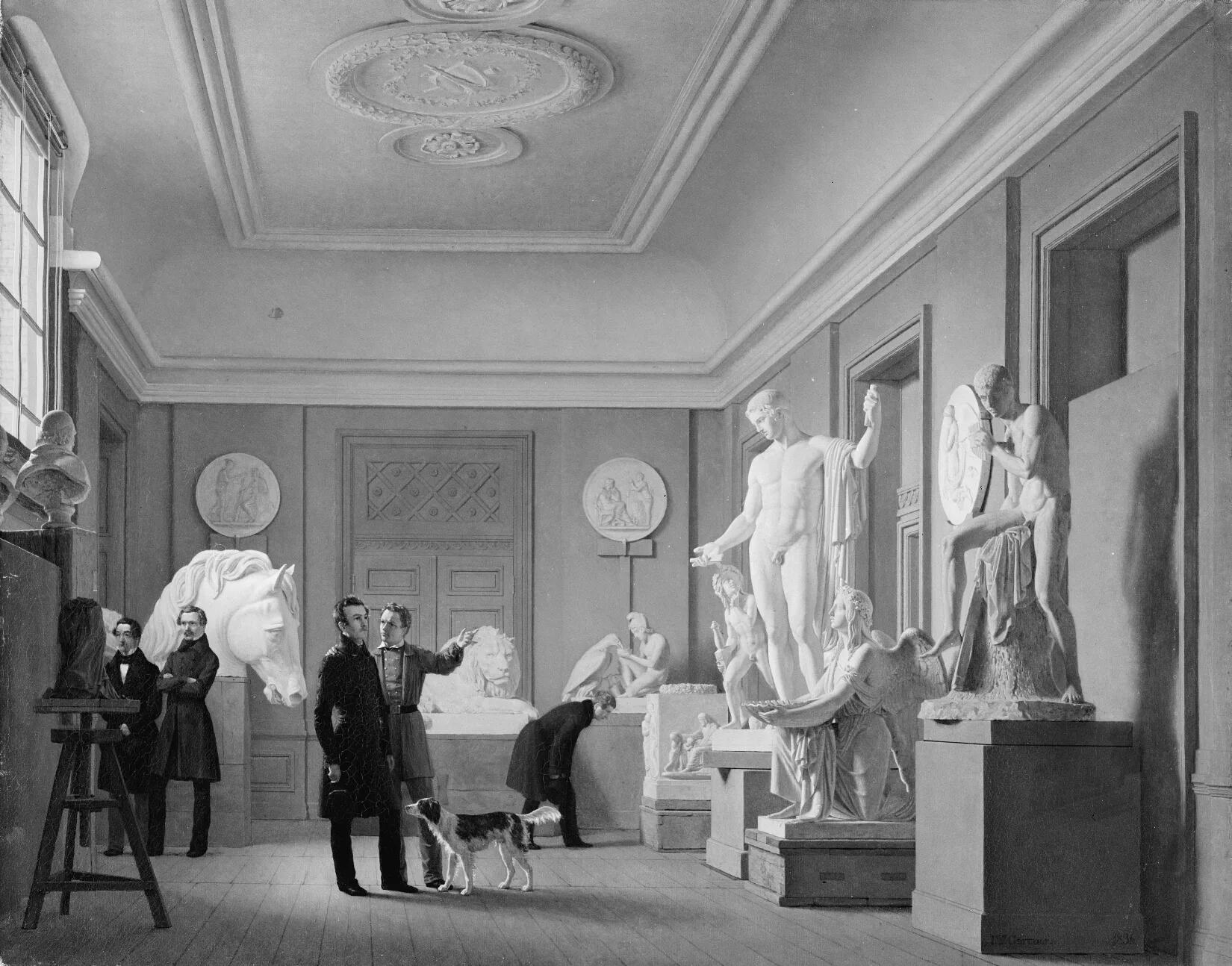
In 1842 a circle of young Copenhagen artists founded an association named after the date of their meeting. They had made a custom of singing to Bertel Thorvaldsen on the eve of his birthday. Singing, drawing and exhibitions have remained part of the association’s life ever since.

1900–
Kunstnernes Efterårsudstilling
Kunstnernes Efterårsudstilling (the Artists’ Autumn Exhibition, or KE) is an open, juried exhibition of contemporary art in Copenhagen. First held in 1900, it accepts submissions from anyone. A changing jury assesses the works anonymously.
1916–
Kvindelige Kunstneres Samfund
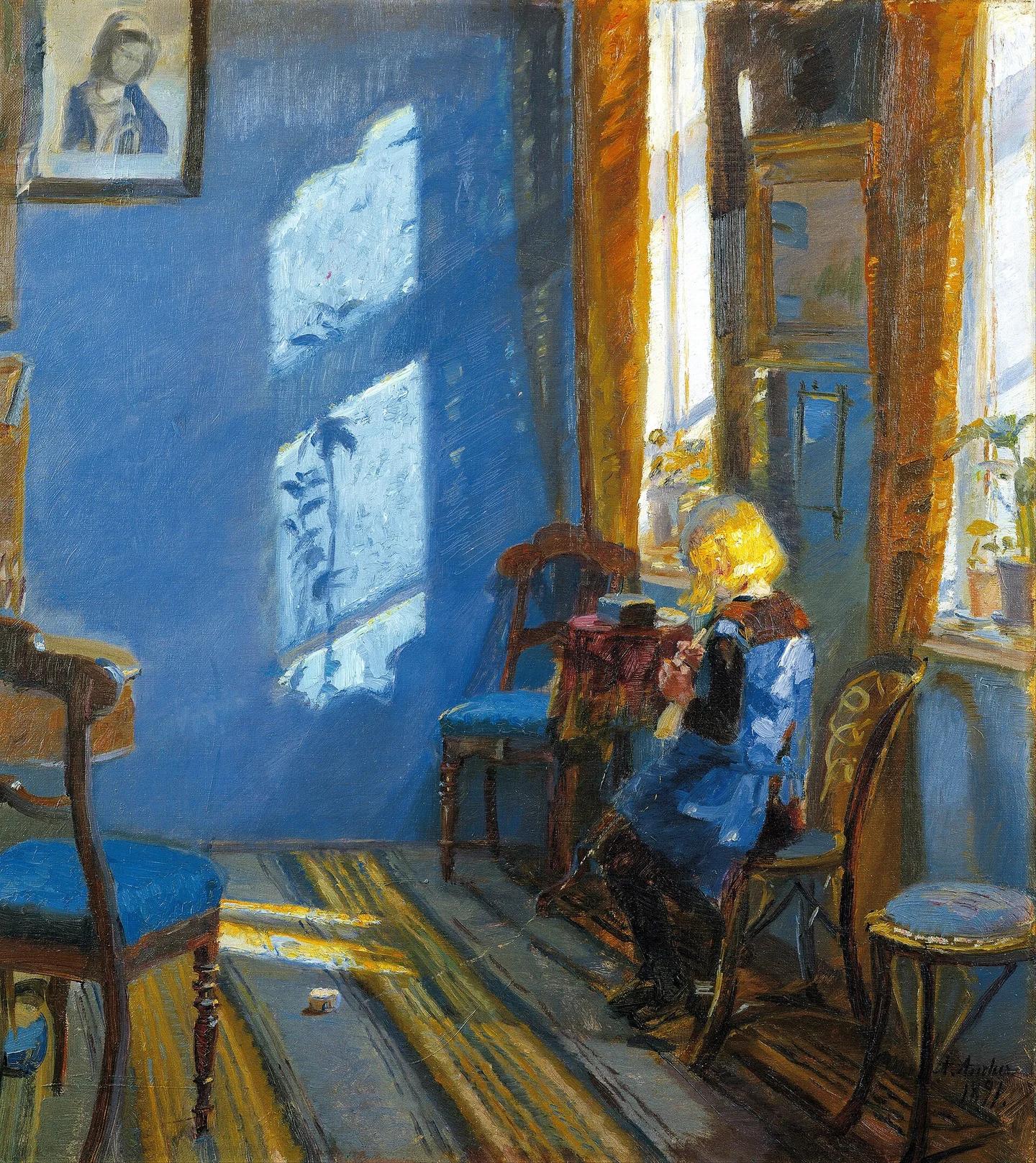
Kvindelige Kunstneres Samfund was founded to give women a voice in decisions about who could exhibit, teach and shape Danish artistic institutions. Exhibitions and research into the history of women artists have been part of the association’s activities since its early years.
1997–2009
Kvinder på Værtshus
Kvinder på Værtshus (Women Down the Pub) was a feminist art collective in Copenhagen. Its artists used a pub, advertising billboards and canal tours to ask who had a place in the city’s public spaces and whose stories were told there.
1934–1939
Linien
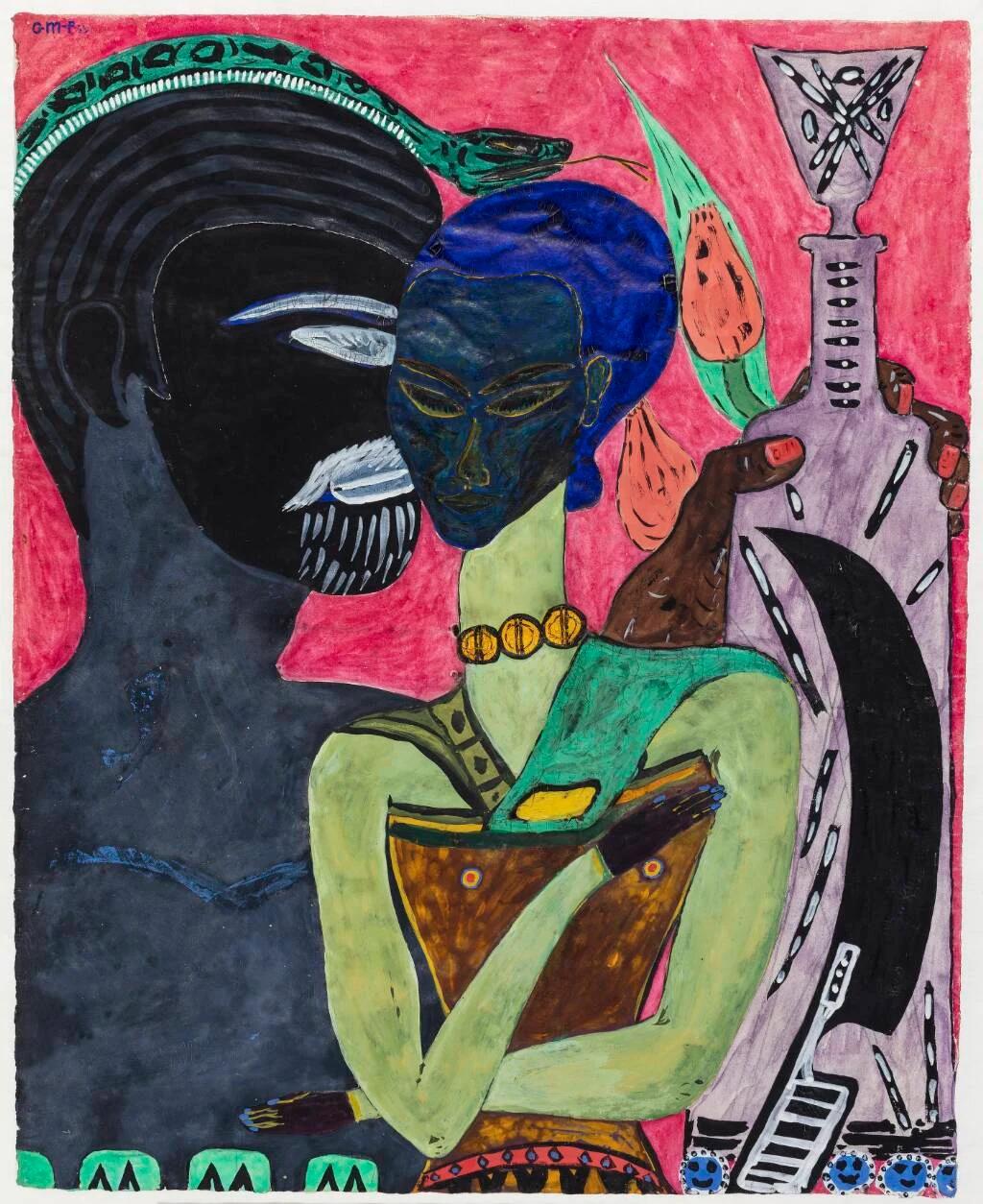
In 1934 Linien opened an exhibition at Charlottenborg and published a journal of the same name. The artists wanted to give abstract art and Surrealism a forum in Denmark. In their exhibitions they placed Danish works alongside the European avant-garde.
1947–1952
Linien II
Linien II explored what an artist could build out of lines, colours, planes and rhythms. It took its name from the 1930s group Linien and was a new association. Within a few years its experiments in concrete art had moved from painting into film, sound recording and concerts.
1959
M-59
Malersammenslutningen af 1959 brought together young painters who used their observations of nature as a starting point for abstraction.
1993–
Maj93
Maj93 is a Danish artists’ association whose exhibitions have regularly returned to Helligåndshuset in Copenhagen. Its first joint exhibition opened in May 1993, followed by exhibitions in Copenhagen and elsewhere in Denmark.
1953–1971
Majudstillingen
In the 1950s visitors to the Royal Danish Horticultural Society’s garden in Frederiksberg could see paintings and sculptures among the flowers. A few years later the same association presented experimental film and sound pieces at Charlottenborg. Both were part of the history of Majudstillingen, the May Exhibition.

1951–1982
Martsudstillingen
Martsudstillingen brought a small circle of artists together around the study of nature, form and materials. Its exhibitions placed painting and sculpture alongside weaving and ceramics.
1971–
MULT
Since the 1970s MULT has organised group exhibitions for painters, printmakers, sculptors and ceramicists. Its first shows took place at Charlottenborg. From 1981 Helligåndshuset in Copenhagen became a regular venue.
1976–1988
Ny Abstraktion
Ny Abstraktion explored what happens when the forms and colours of a painting extend into the room occupied by its viewer.
Ovalen
Ovalen was a Danish artists’ association that exhibited at Den Frie in Copenhagen for several decades. Its artists also took their exhibitions to other parts of Denmark, from southern Jutland to Frederikshavn.
1952–2009
Phases
Phases was an international network of artists, poets and editors around Édouard Jaguer and Anne Éthuin. Letters, journals and exhibitions brought artists working in different countries into contact.
1966
Pol 66
Pol 66 was founded in 1966. The following year its artists began holding annual exhibitions at Den Frie in Copenhagen. The association brought together artists with different approaches and also took their work to audiences outside the exhibition hall.
1962–
PRO
Founded in 1962, PRO brought together artists working in different forms. Visual artists, writers and musicians have all belonged to the association.
1976
School of London
School of London is a name given to a circle of artists associated with figurative painting in London. Many of them knew one another, although they had no common programme or formal membership.
1967–1989
Sonde
Sonde established a series of exhibitions in Aarhus for experimental art from Jutland. Painters, sculptors and poets belonged to the group.
Spiren
Spiren exhibited paintings at Den Frie in Copenhagen and at museums in Jutland. Its shows brought together Danish and foreign artists.
1976
Star Artist Cooperation
Star Artist Cooperation is documented as an artists’ group in Copenhagen in 1976. Its name appears in a surviving Swedish press release among the papers of Galerie S:t Petri in Lund.
1977–
Stokrosebanden
Stokrosebanden grew out of a circle of artists who had moved to Odsherred. In 1977 they worked with local residents to open an exhibition space in a former warehouse in Nykøbing Sjælland.
1970–1986
Trykkerbanden
Trykkerbanden used printmaking to reach people who might never visit a gallery. An edition allowed the same image to travel and kept its price within reach of a wider public.
Vertikalen
Vertikalen was a Danish exhibiting group of painters, printmakers and sculptors. Its exhibitions can be traced from the late 1950s into the second half of the 1960s.
1979–
Vestjyllandsudstillingen
An artists’ association rooted in Tistrup and West Jutland, bringing together different artistic approaches and generations through exhibitions.
1971–1988
Violet Sol
Violet Sol brought together painters interested in the expressive possibilities of colour. Its name, meaning ‘violet sun’, refers to the afterimage left by looking towards the sun.
1942–
Vrå-udstillingen
Vrå-udstillingen began with a meeting between an artist and a folk high school in northern Jutland. Today visual artists and architects exhibit side by side at Kunstbygningen in Vrå.
1981–1984
Værkstedet Værst
In 1981 a former tea warehouse on Rosenørns Allé in Copenhagen became a shared studio. It had room for a loom and a lithographic press, and for experiments in painting and performance.
Zebra
Zebra was a Danish printmakers’ association founded in 1976. Several members had studied with Palle Nielsen at the Royal Danish Academy’s school of printmaking.